Sustainability
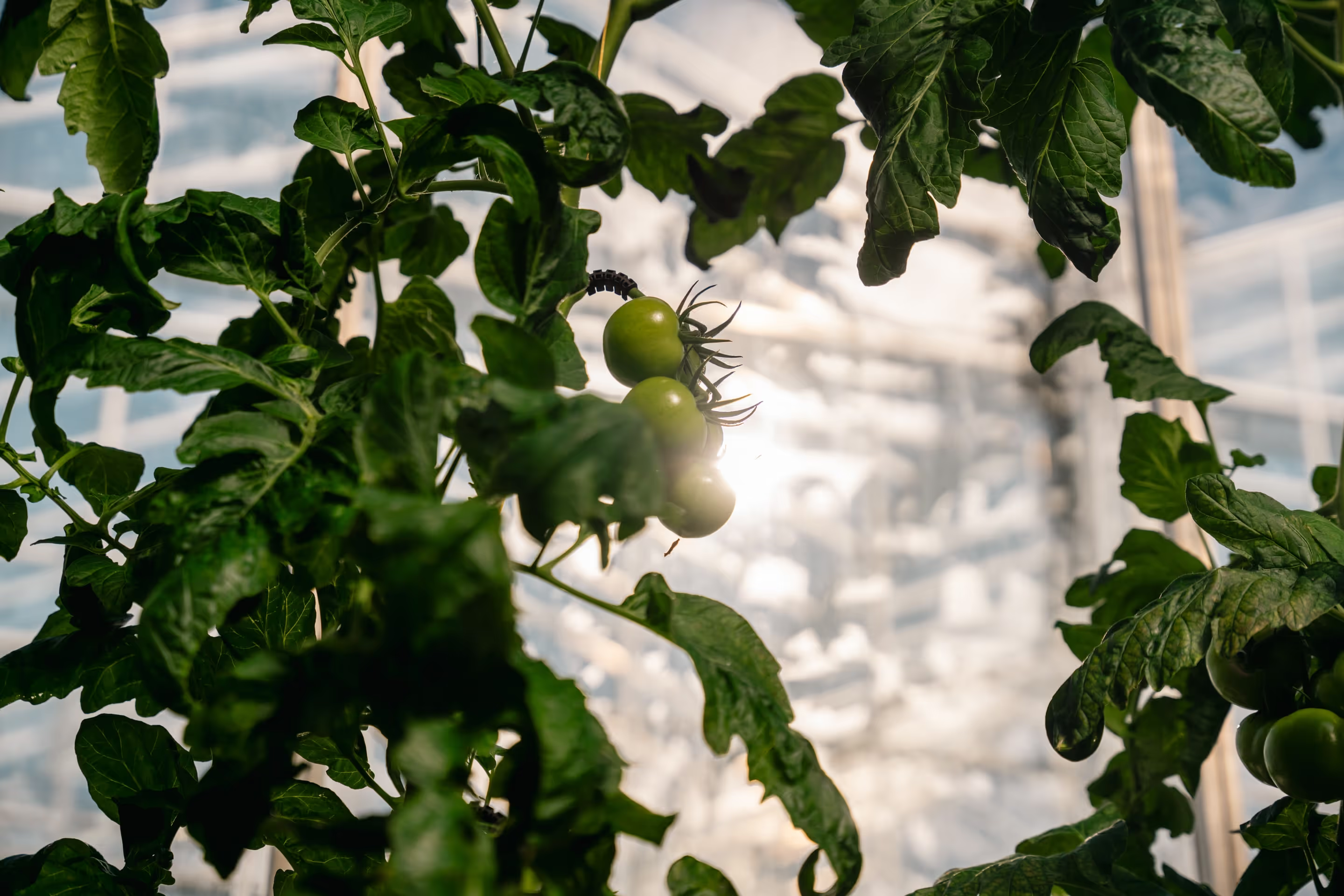
At Tomeco, we cherish the natural environment in which our specialty tomatoes grow. We firmly believe that respecting nature is the key to growing tomatoes of the very highest quality. Read more about our various sustainability projects here.


From rockwool mats to organic growing media in reusable growing containers
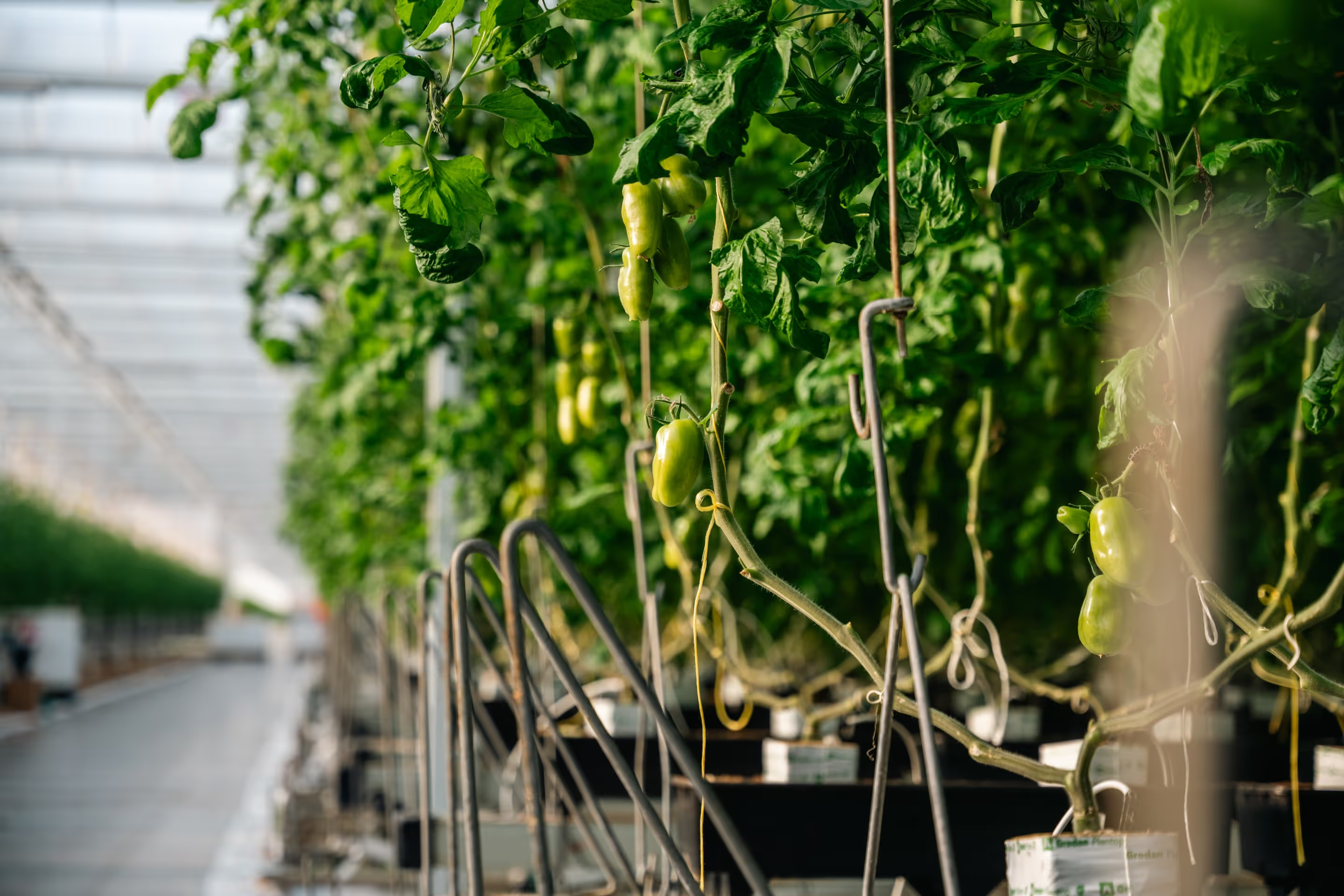
We no longer grow our plants in rockwool; instead, we have switched to a fully organic growing medium in reusable grow trays. This medium is a natural blend of rice husks, bark, peat, coconut coir, and wood chips. It aligns perfectly with our sustainable vision: less waste, reusable materials, and a smaller ecological footprint.
In addition, it promotes a rich microbial life in the soil, which contributes to strong and healthy plants. After the growing cycle is complete, the used substrate is collected by external processors and given a second life. Who knows, maybe a bit of our substrate will end up in the bag of potting soil you take home!
Floating solar panels: no surface area is wasted
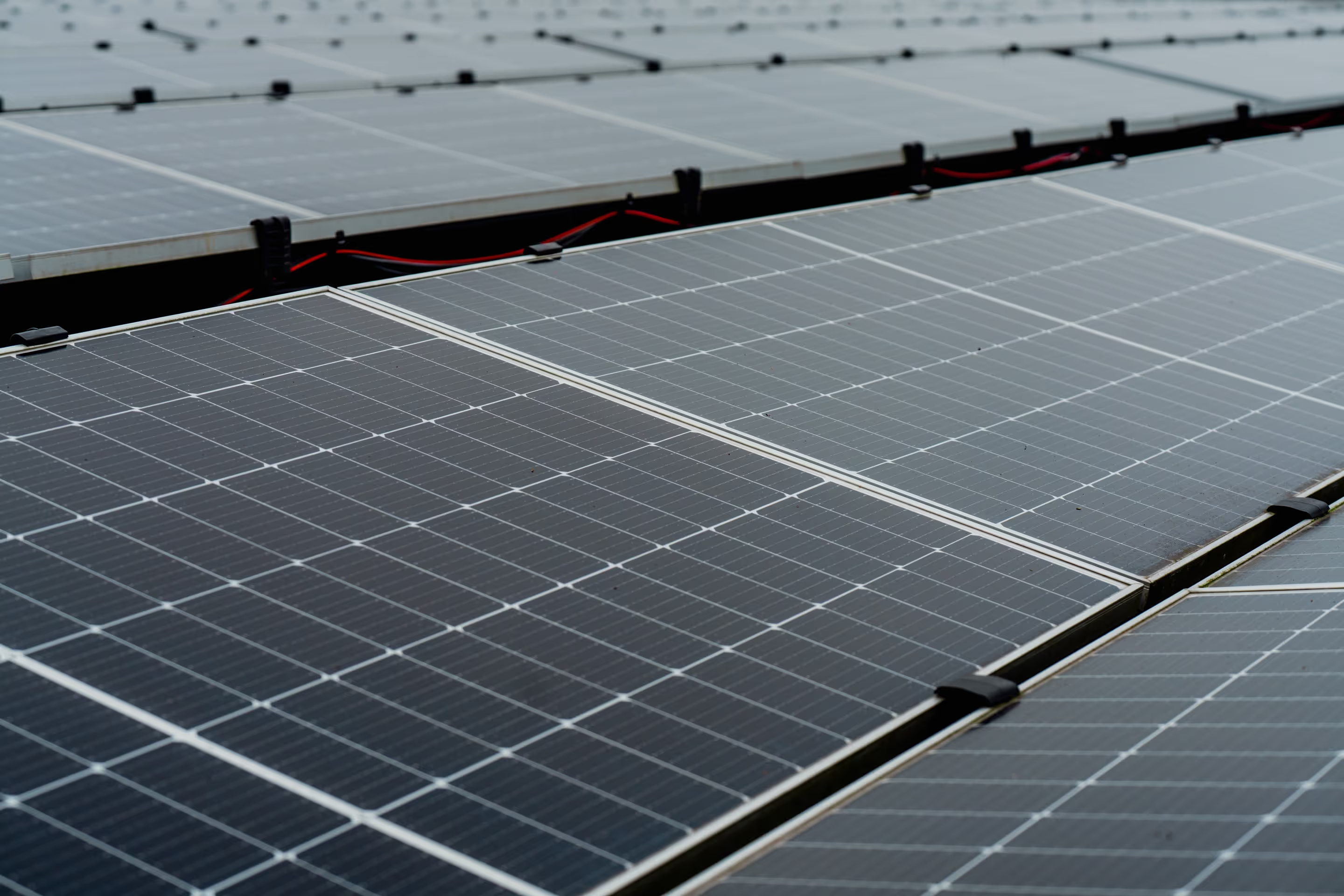
Water basins cover a large area, but are indispensable to us as growers. Without a cover, we lose thousands of liters of water annually through evaporation, and algae grow due to exposure to sunlight. That is why we have covered our ponds with floating solar panels.
These panels rest on an ingenious system made from recycled fruit crates. We also share the energy generated with neighboring businesses, which means we not only save water but also supply sustainable energy to our community.
Close collaboration for sustainable farming
Tomeco is a group of Belgian tomato growers, each running their own family business. Thanks to this collaboration, we are able to optimize the cultivation of our tomatoes. Although each greenhouse has its own growing systems, we actively share knowledge and expertise about tomato cultivation. By working together, we achieve more and create a more sustainable environment for our plants.
We also work closely with the Hoogstraten Cooperative. By staying close to our customers and other growers, we can respond directly to customer needs and the associated sustainability challenges. Together, we can achieve more than we can alone.
Energy andCO2 for growth
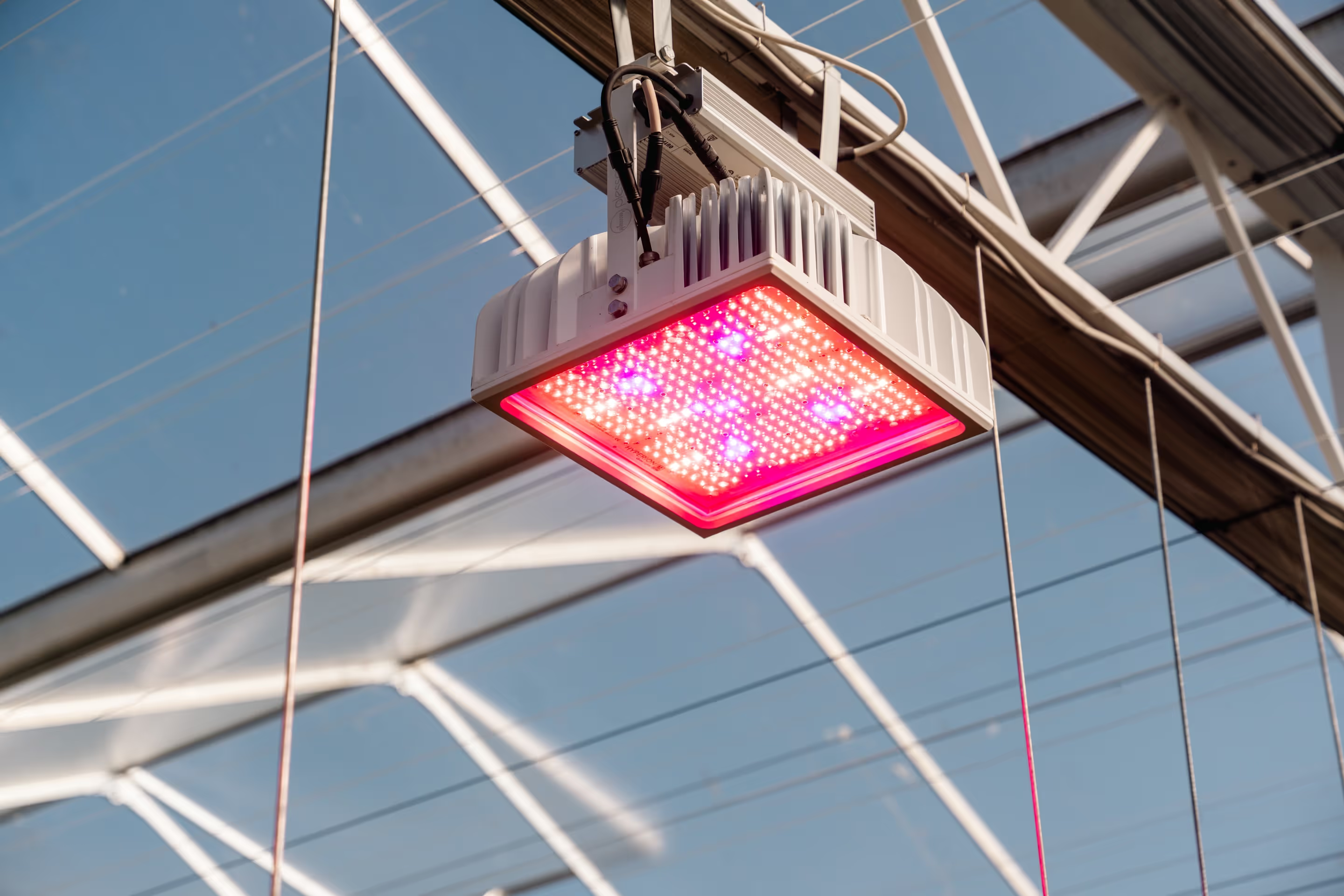
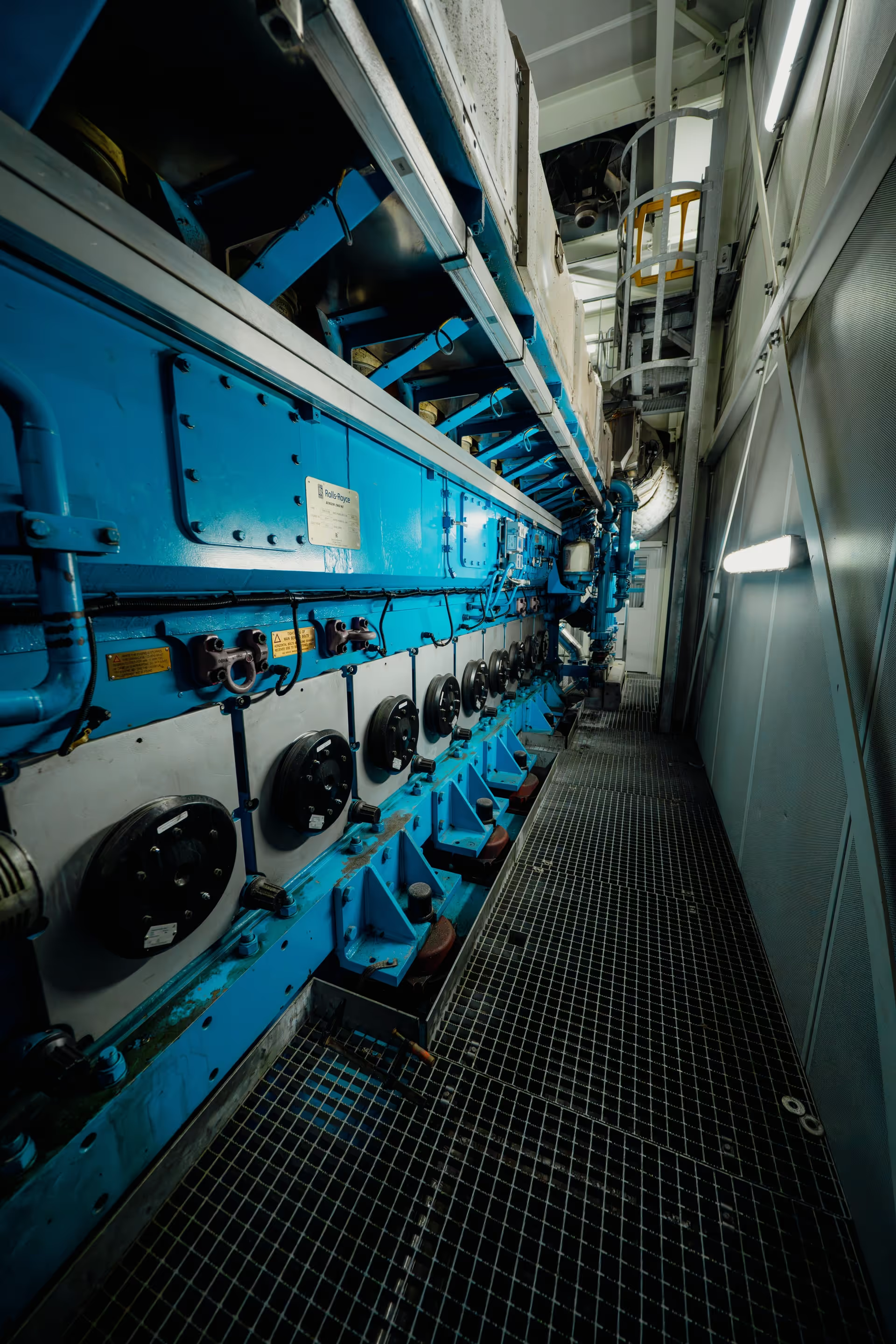
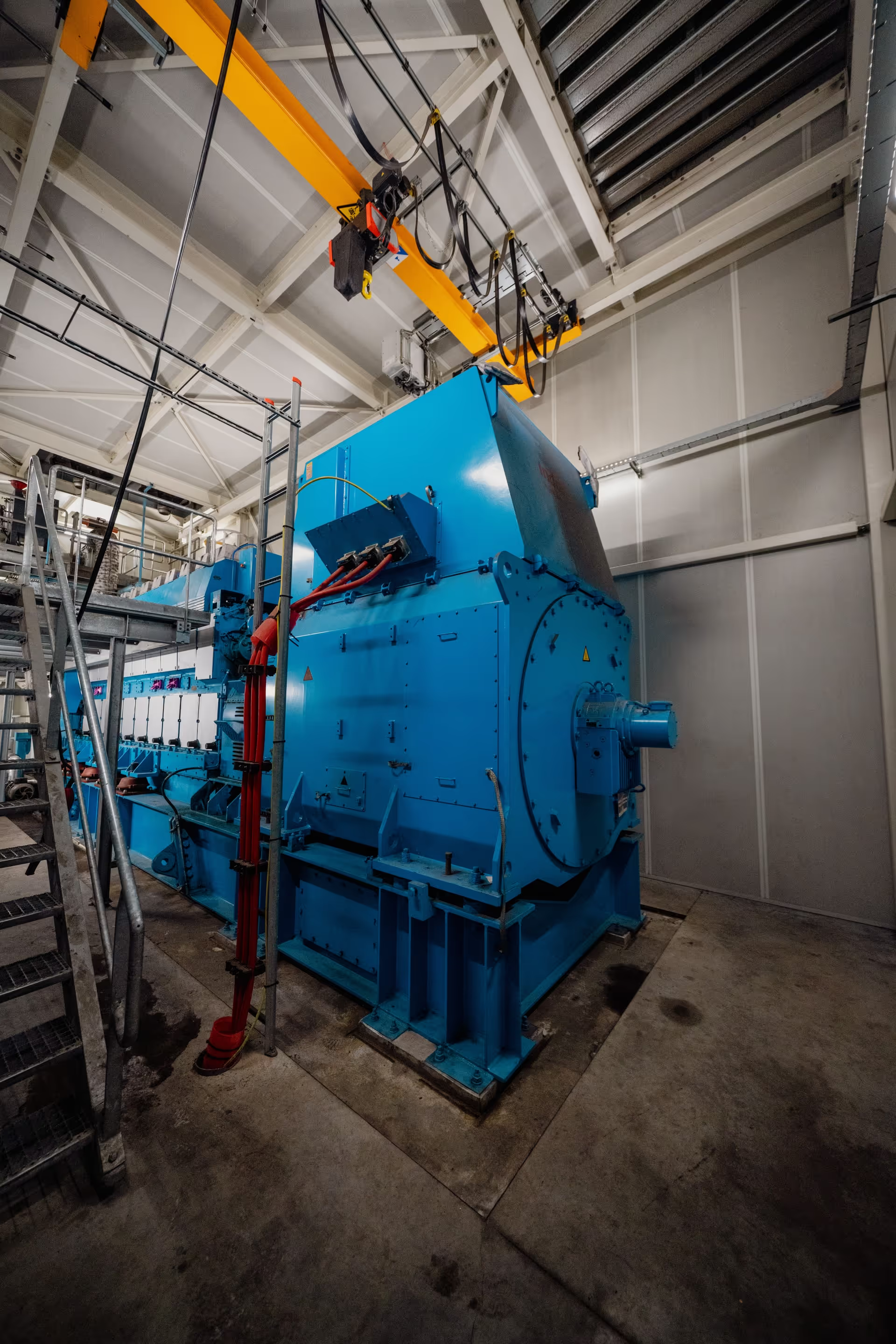
CO₂ is often viewed as a problem, but for our plants, it is actually indispensable. Through photosynthesis, they convert CO₂ into oxygen and use it as a nutrient for their growth. To optimally support this process, we introduce carefully purified CO₂ into the greenhouse. This CO₂ comes from industrial waste streams or from our own combined heat and power (CHP) units. CHP is a powerful gas engine that not only generates electricity but also produces heat and CO₂ simultaneously. We use that heat to warm our greenhouses, and the released CO₂ goes directly to the plants. In this way, we carefully utilize everything that is released to ensure strong, healthy cultivation.
At certain locations, we share the efficiently generated heat with neighboring businesses, thereby jointly contributing to a sustainable future.


Automaatje, our automated transport service to the Hoogstraten Cooperative
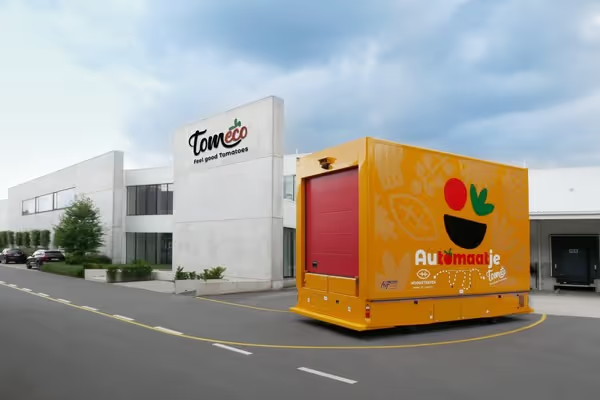
Our packaging center is located right on the grounds of Coöperatie Hoogstraten, close to the central distribution hub from which our tomatoes are shipped to customers. Previously, our team would personally deliver the packaged tomatoes to Coöperatie Hoogstraten, but we love smart solutions.
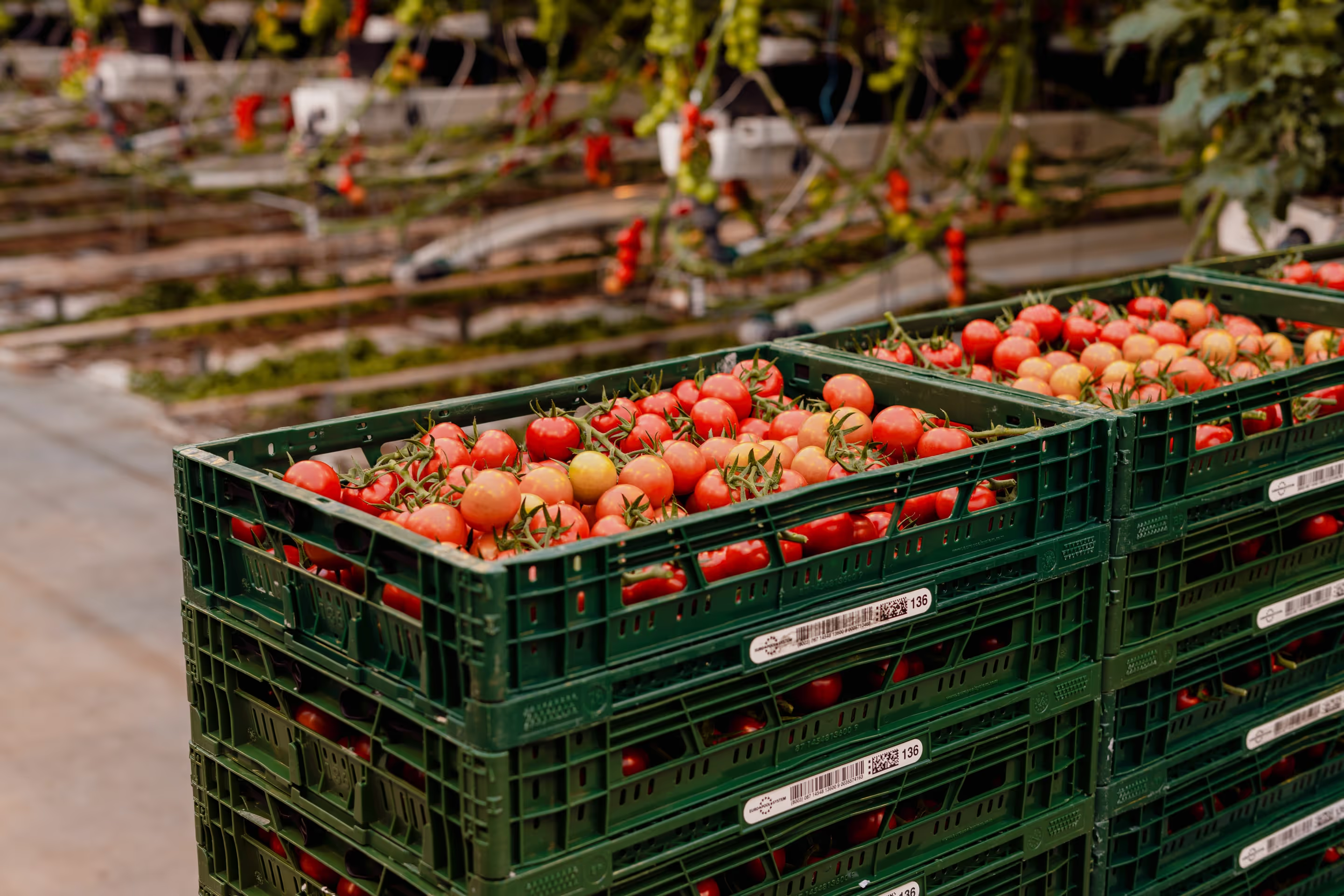
That’s how our “Automaatje” came to be—an automated transport system that loads and unloads itself, powered by solar energy. Once the Automaatje is fully loaded, it uses transponders to find its way to the Coöperatie Hoogstraten center, where it neatly unloads itself onto the buffer conveyor. Our Automaatje drives back and forth all day long, making our transport process not only more efficient but also more sustainable!
Zero-emission heat generation
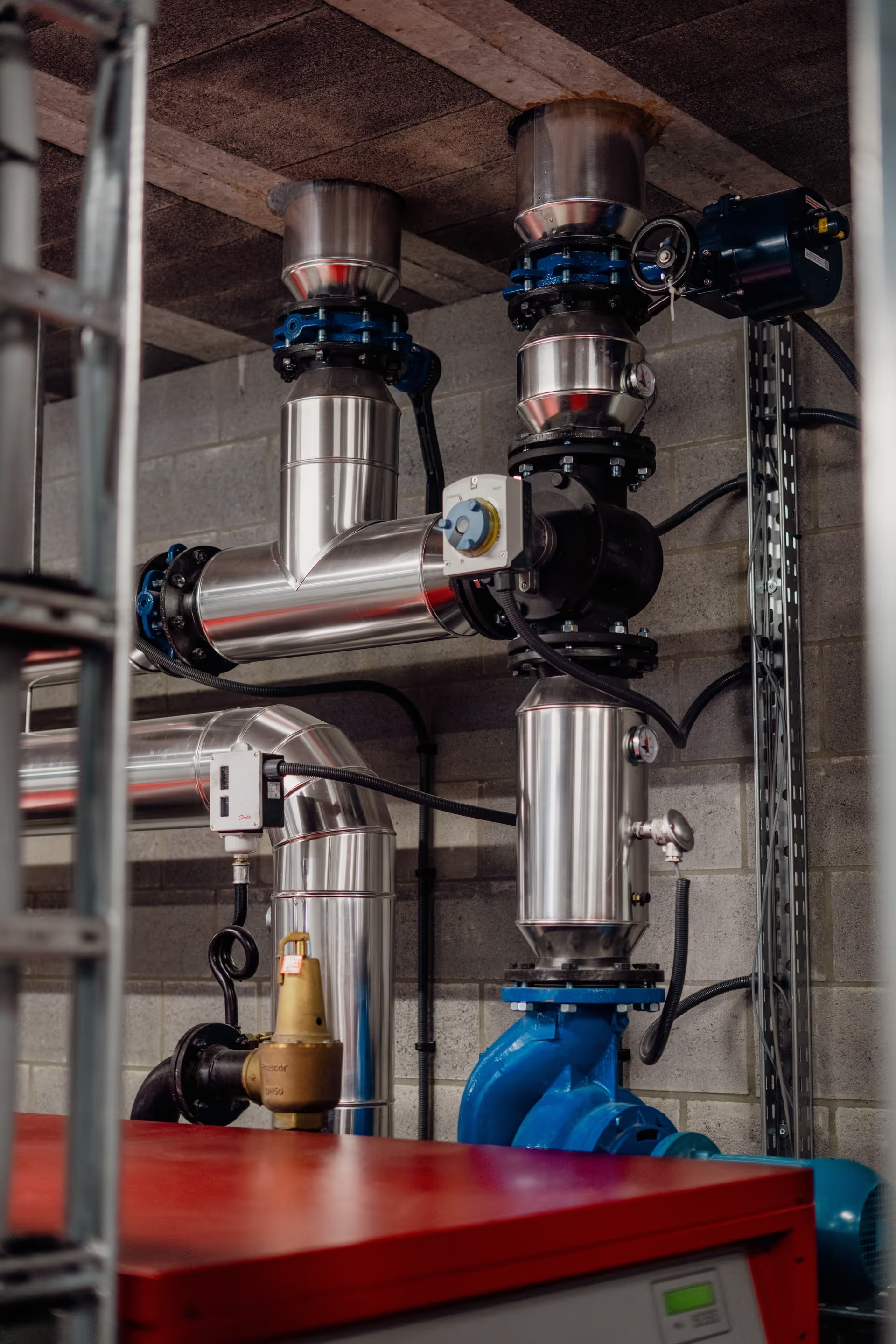
The E-boiler makes it possible to generate heat without emissions by using electricity instead of gas. When the electricity comes from renewable sources, the heating is completely CO₂-free. This makes the E-boiler an efficient and sustainable solution that reduces the ecological footprint while meeting the energy needs of horticulture.
In this way, we contribute to a greener future without compromising the quality of our crops.


Organic integrated farming
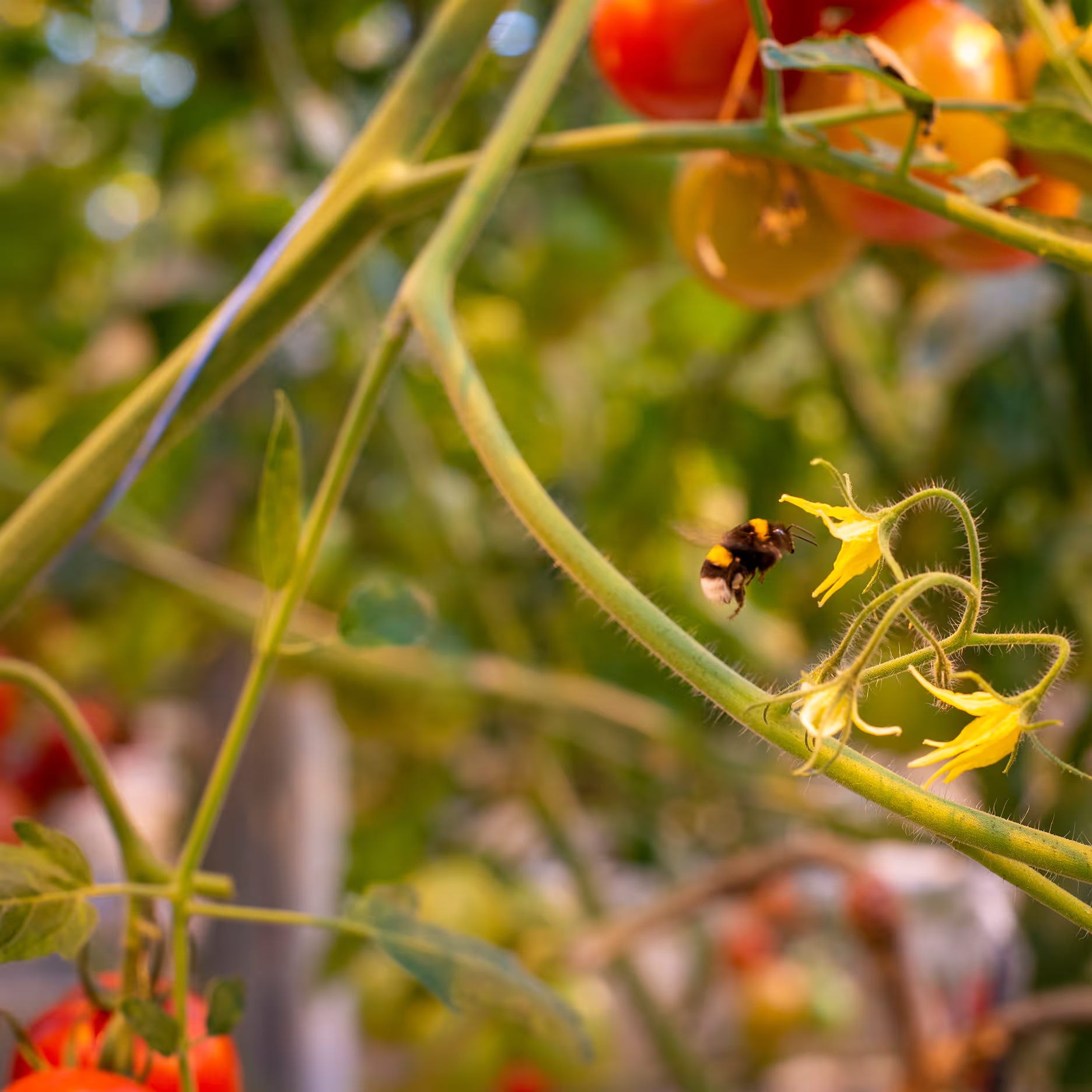
Our integrated organic farming practices combine sustainable cultivation methods with ecological principles. We utilize natural processes to optimize the ecosystem within the greenhouse. We achieve this through the use of beneficial insects, physical pest control techniques, crop rotation, and the use of organic pesticides.
The goal is to maintain a biological balance at all times so that plant growth remains optimal. This reduces the need for chemical agents, which we now only use as a last resort. In short, we always grow with respect for nature.
Fresh mini watermelon, from the greenhouse to the table
Our mini watermelons are grown sustainably with the utmost care and attention. We take the environment into account at every step of the growing process. By using controlled irrigation, we ensure that each plant receives exactly the right amount of water, minimizing water waste. This means not only that our watermelons are delicious and juicy, but also that they are grown with respect for our natural resources. Choose our mini watermelons and enjoy a refreshing, eco-friendly snack!
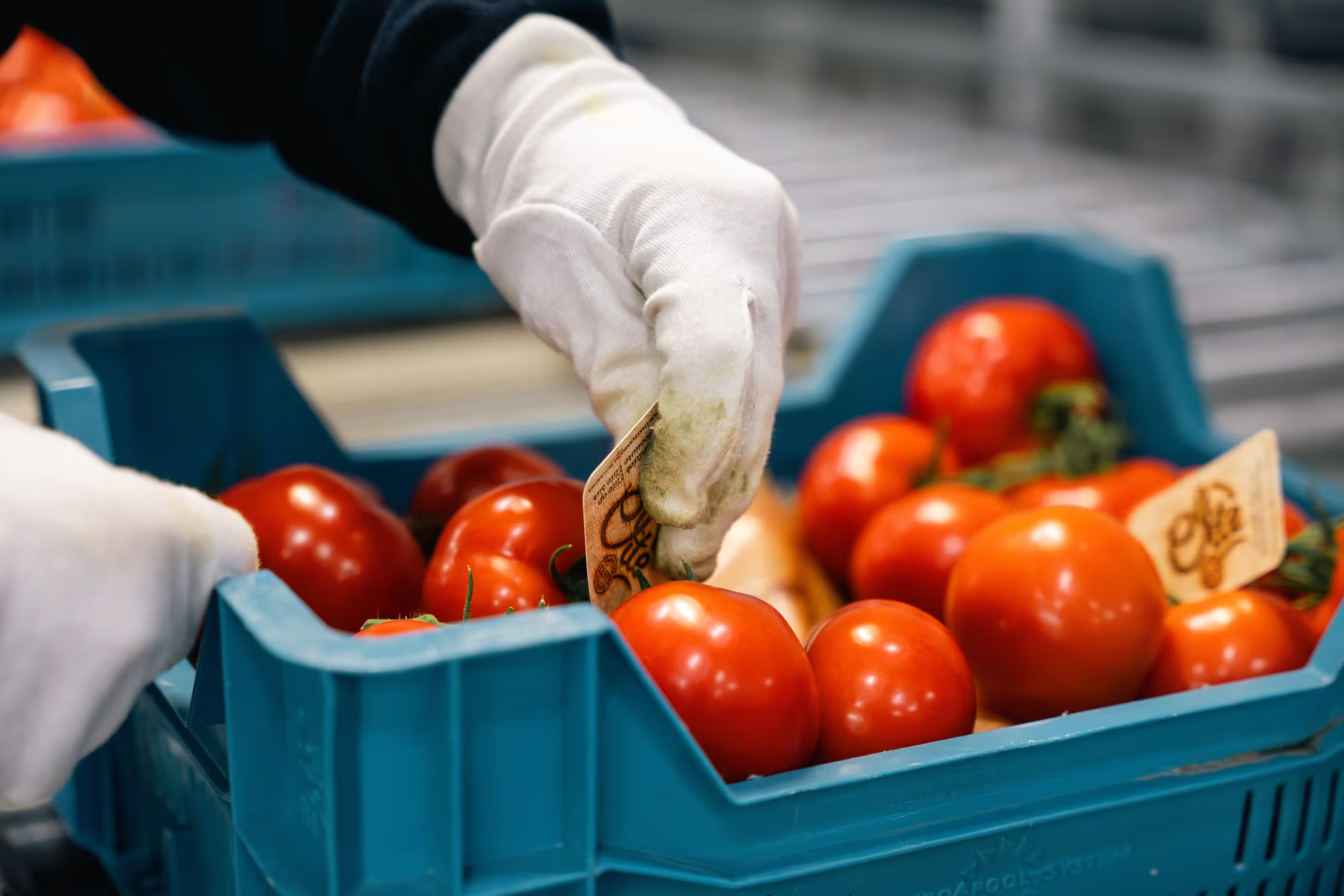
Did you know the labels are fully compostable? Easy, right?